Rat Control Services — Boise & the Treasure Valley
Every job starts with an inspection and a written estimate. No scare tactics, no work sold before you've seen the findings.
Call for an InspectionRat removal & trapping programs
For active infestations. The specialist maps activity — droppings, trails, nesting — then sets a trapping program sized to the colony, with scheduled checks and adjustments until activity stops. Trapping-first means minimal chemical exposure in living spaces, and carcasses are removed, not left in walls. Typical program pricing starts in the low hundreds and is confirmed by written estimate after inspection.
Rodent exclusion & sealing
The permanent fix, and the step most general pest services skip. Rats enter through gaps as small as a quarter: foundation vent screens, sill-plate gaps, pipe and conduit penetrations, roof and attic vents, garage door corners, and utility openings. Exclusion seals every identified entry point with chew-proof materials — galvanized mesh, metal flashing, concrete, and steel wool composites — so the colony outside stays outside. Full-home exclusion commonly runs $500–$2,500 depending on home size and the number of entry points, quoted in writing first.
Attic & crawlspace cleanup
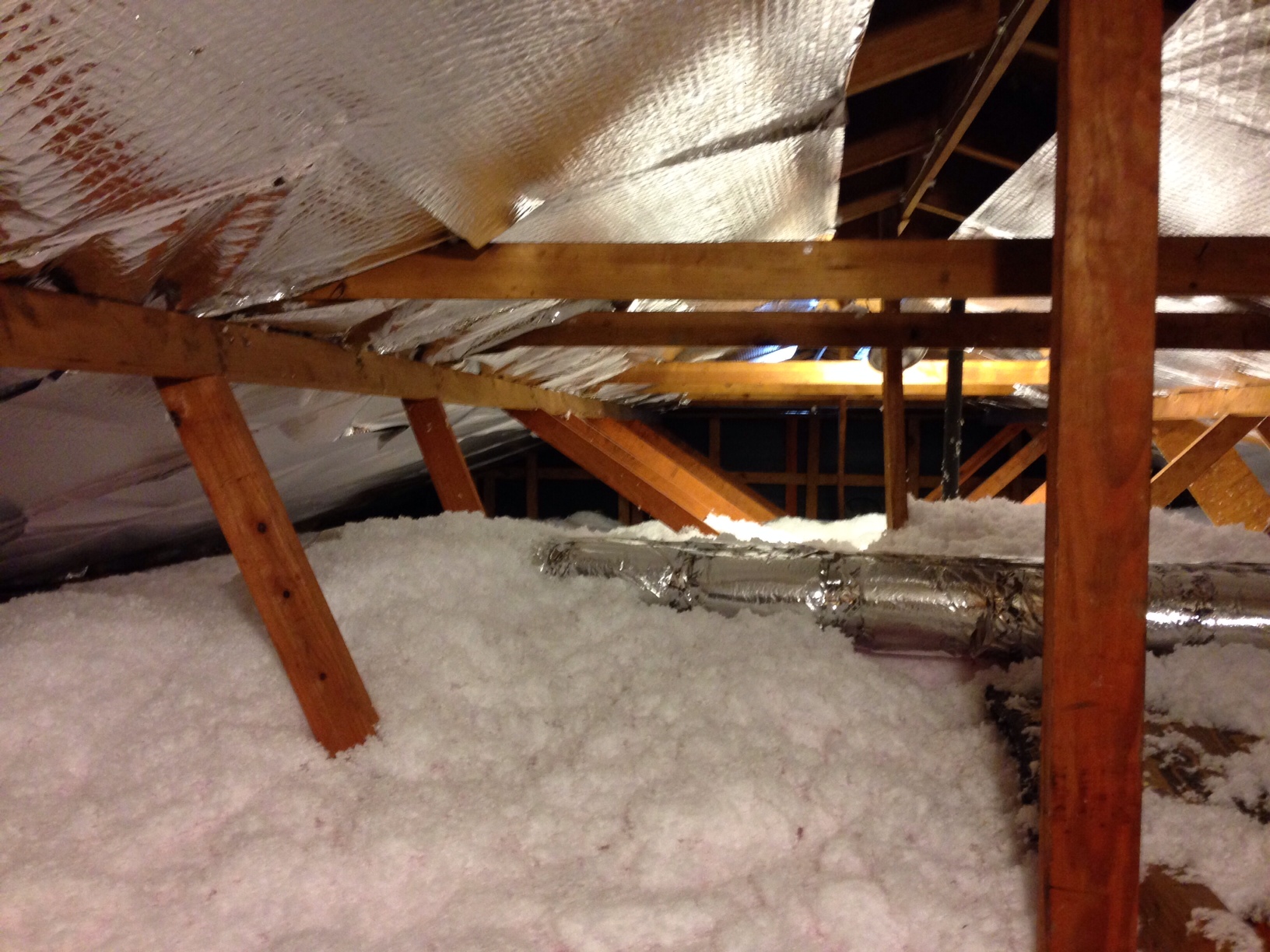
After a long infestation, the damage stays behind: droppings and urine in insulation, nesting material, chewed ductwork and moisture barriers. Cleanup removes contaminated material, sanitizes affected areas, and replaces insulation where needed — the work that turns an $18,000 damage story into a closed chapter. Scope and pricing follow the inspection; severe restoration is quoted separately.
Prevention plans
Rats remember good habitat. A prevention plan keeps exterior stations monitored and entry points inspected on a recurring schedule, with early-warning checks each season — especially before winter, when canal-bank rats move toward houses. Plans are the cheapest rat control there is: prevention costs a fraction of one infestation.
What an appointment looks like
- Call. You describe what you've seen or heard. Calls are answered by the specialist's team and recorded for quality.
- Inspection. Attic, crawlspace, roofline, foundation, and garage — entry points and activity documented, photos where useful.
- Written estimate. Removal, exclusion, and cleanup itemized separately, so you can see exactly what each dollar does.
- Work & follow-through. Scheduled checks until activity stops, exclusion sealed, and a prevention recommendation in plain language.